Peptides Explained: Boost Your Skin and Health Organically
Peptides are increasingly valued for their importance in skin health and overall well-being. These short chains of amino acids act as essential signaling molecules, impacting collagen production and skin elasticity. Their role moves beyond aesthetics, offering potential benefits for muscle recovery and immune function. Understanding how peptides work can open new avenues for enhancing both skin vitality and overall health. What specific benefits do they hold for different skin types?
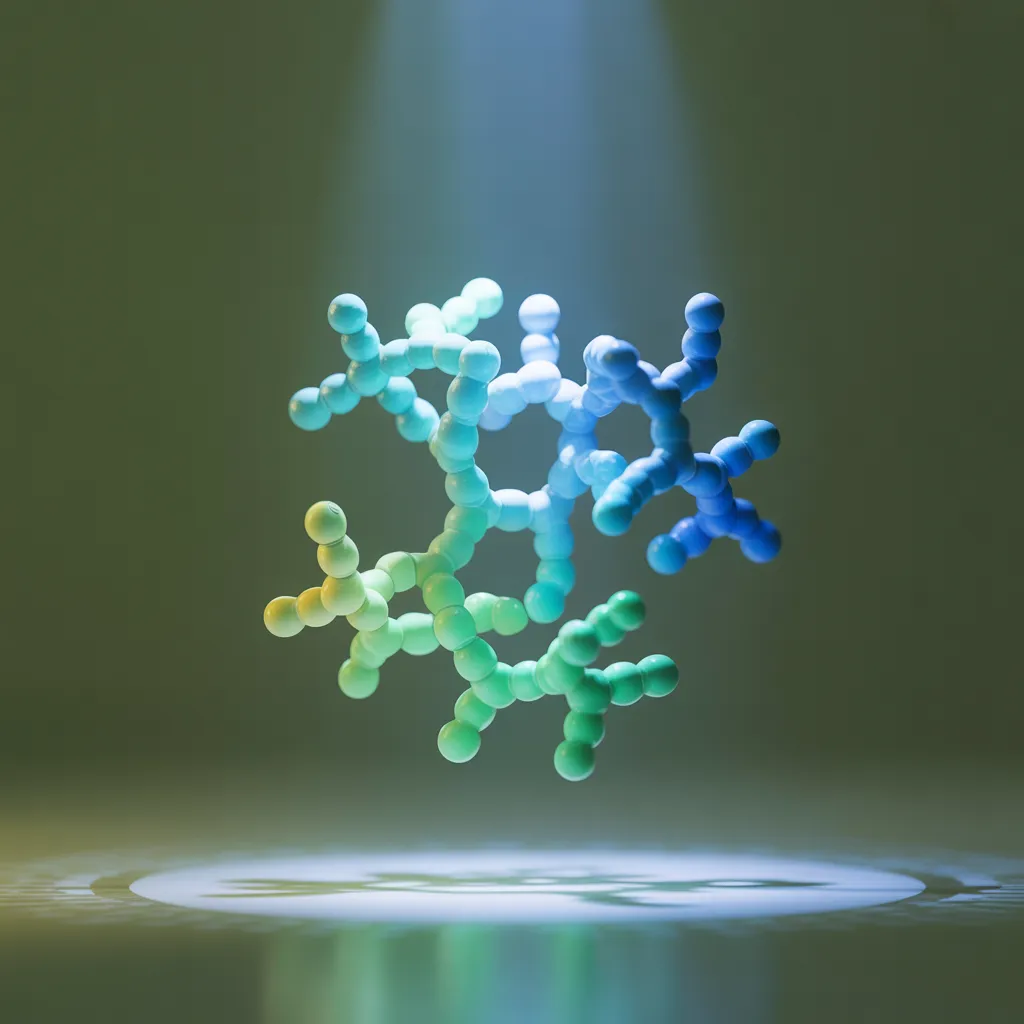
Peptide Molecules and Their Significance for Your Skin: What You Need to Know
Peptides, frequently referred to as the building blocks of proteins, play a key role in skin health and rejuvenation. These short chains of amino acids are necessary in various biological functions, including cell signaling and tissue repair. Found naturally inside the body, peptides help maintain skin elasticity, firmness, and hydration. When applied topically, they can penetrate the skin barrier, delivering targeted benefits.
Their importance lies in their ability to interact with skin cells, prompting them to perform various functions, such as regenerating skin or restoring damage. This makes peptides particularly valuable in skin care products aimed at address issues like aging, uneven texture, and loss of vitality.
Consequently, they are increasingly incorporated into serums and creams, attracting those seeking effective, science-backed solutions for enhancing skin appearance. Understanding peptides' function is crucial for anyone interested in enhancing their skincare routine and general skin health.
In What Ways Do Peptides Promote Collagen Generation?
The creation of structural protein is fundamental for upholding skin structure and firmness, and peptides are instrumental to encouraging this process. These linked sequences of amino acids serve as communication agents, working with skin cells to enhance collagen synthesis. When placed on skin or absorbed internally, these molecules can traverse the skin barrier, stimulating fibroblasts—biological units generating this protein—to maximize their activity.
Studies demonstrate that specific peptide compounds, such as palmitoyl pentapeptide, can enhance the skin's elasticity and reduce the look of fine lines by stimulating collagen formation. Additionally, peptides can help to control the degradation of collagen, maintaining a balanced turnover. This dual action of stimulating new collagen production while protecting existing collagen contributes to a more youthful and resilient skin appearance. Ultimately, adding peptides into skincare routines can appreciably support skin health and vitality by enhancing collagen levels.
How Peptides Help Heal Your Complexion
By harnessing their special qualities, peptides take an essential role in skin repair and regeneration. These short strings of amino acids function as signaling compounds, prompting cellular processes necessary for skin repair. Applying peptides topically helps increase the production of collagen and elastin, important proteins that maintain skin structure and elasticity. That stimulation can produce enhanced skin texture and reduced appearance of fine lines and wrinkles.
Additionally, peptides possess anti-inflammatory properties, which can calm inflamed skin and accelerate the healing of wounds and blemishes. Their ability to improve the skin barrier function is also impressive, as it helps retain hydration and protect against environmental stressors. By promoting cell renewal, peptides encourage the development of fresh, healthy skin cells, contributing to a more youthful and revitalized appearance. Overall, the incorporation of peptides into skincare regimens can greatly enhance skin resilience and health.
Learn How Protein building blocks Can Aid Improved Health
Illustrating multiple wellness advantages, peptide compounds are gaining recognition for their capacity to enhance overall wellness. These sequences of amino acids play an essential role in numerous bodily functions, contributing to improved health outcomes. For instance, certain peptides support muscle growth and recuperation, making them beneficial for access resource athletic individuals and fitness fans. Additionally, they can bolster immune response, helping the body combat sicknesses more successfully.
Peptides help with regulating metabolism, which can facilitate weight loss efforts and overall energy levels. Certain peptides are recognized to strengthen mental abilities, potentially boosting concentration and recall. Additionally, their anti-inflammatory properties may ease chronic conditions, providing support and improving quality of life. As research continues to reveal the diverse functions of peptides, their value for advancing health and vitality becomes clearer, rendering them a promising addition to a comprehensive wellness plan to wellness.
How to Include Peptides Into Your Regular Regimen
Incorporating peptides into a everyday regimen requires thoughtful choice of suitable products. Understanding effective application techniques is crucial to maximize their benefits. This combination guarantees ideal results for overall health and skin.
Picking The Right Products
As individuals aim to improve their skincare routines, choosing the appropriate peptide products becomes vital for attaining ideal outcomes. It is important to determine particular skin concerns, including fine lines, dryness, or textural irregularities, as various peptides address different issues. Consumers should seek out products that list peptides high on the ingredient list, indicating a greater concentration. Additionally, considering the formulation is important; serums and creams often offer superior penetration than alternative product formats. Checking reviews and looking for scientific research can provide information into a product's efficacy. Finally, choosing trusted brands that emphasize quality and transparency in their ingredient sourcing will ensure a dependable addition to any skin care routine.
Application Techniques For Maximum Impact
Getting the most out of peptides in your skincare routine requires correct application methods. First, it is essential to cleanse the skin thoroughly to remove impurities that might hinder absorption. After washing, using a toner can help prepare the skin, boosting peptide effectiveness. Peptides should be placed on moist skin, as this increases penetration. A few drops of peptide serum should be gently massaged into the skin, focusing on areas of concern. After the serum application, a moisturizer seals in the peptides, ensuring they remain effective. Regularity matters; using peptides daily can produce optimal outcomes. Finally, combining peptides with sun protection during the day can additionally improve skin condition, as it shields from environmental harm.|Unlocking the full potential of peptides in your skincare routine requires proper application techniques. First and foremost, it's essential to cleanse your skin thoroughly to remove impurities that might block absorption. Once you've cleansed, applying a toner can ready your skin, maximizing peptide performance. Your skin should be moist when applying peptides, since this enhances penetration. Apply a few drops of peptide serum and work it gently into your skin, concentrating on areas that need help. After using the serum, a moisturizer will seal in the peptides, keeping them powerful. Consistency proves essential; applying peptides each day can deliver the most impressive results. To wrap up, combining peptides with sun protection throughout the day can boost skin health even more, because it defends against environmental damage.|Achieving optimal peptide benefits in your daily skincare relies on proper application techniques. To start, it's important to completely wash your face to eliminate skin impurities that could interfere with penetration. After you cleanse, using toner can condition your complexion, boosting peptide effectiveness. Your skin should be damp when you apply peptides, because dampness improves penetration. Take a few drops of peptide serum and softly work it into your skin, targeting your problem zones. After applying the serum, a hydrating cream seals in the peptides, keeping them working. Staying consistent is critical; applying peptides every single day can give you the best results. As a final step, pairing your peptides with sun protection during daytime hours can additionally improve your skin health, as it protects against environmental harm.|Optimizing the benefits of peptides within your skin care regimen needs the right application techniques. First, it's necessary to cleanse your skin completely to eliminate impurities that could interfere with absorption. When you've finished cleansing, applying a toner helps ready your complexion, boosting peptide potency. It's best to apply peptides to damp skin, because this boosts absorption. Massage a few drops of peptide serum into your skin while targeting areas of concern. Once the serum is applied, a moisturizer locks in the peptides, preserving their potency. Regular application matters; applying peptides daily delivers the best results. In conclusion, pairing peptides with SPF coverage can further boost your skin's health, because it defends against environmental damage.
Selecting the Appropriate Peptides for Your Skin Type
How can someone effectively select peptides suited for individual skin types? The process begins with understanding distinct skin problems. For those with dry skin, peptides like hyaluronic acid and palmitoyl oligopeptide can boost moisture levels and improve moisture retention. Conversely, individuals facing acne-prone skin may profit from peptides such as acetyl hexapeptide-8, which can help reduce inflammation and support skin repair.
Mature skin can benefit from peptides including copper tripeptide-1, which are valued for their ability to increase collagen production, offering firmer skin. People with reactive complexions should choose gentle peptides such as dipeptide-2, which ease irritation without creating additional reactions.
Ultimately, determining the ideal peptides necessitates analyzing skin type and specific concerns, while also factoring in product formulations and concentrations. Consulting with a skincare professional can provide tailored recommendations, ensuring the chosen peptides address individual needs effectively.
Frequently Asked Questions
Do Peptides on the Skin Have Any Unwanted Consequences?
Certainly, putting peptides on the skin could bring about undesirable outcomes such as discomfort, allergic reactions, or intolerance in some persons. It is prudent to conduct a trial test before full application to mitigate risks.
Are Peptides Able to be Administered Orally administered for Health improvements?
Yes, peptides can be ingested orally for therapeutic advantages. Research indicates that certain peptides may accelerate muscle healing, strengthen immune response, and improve overall wellness, although individual results may vary and more investigation is necessary.
How Much Time Is necessary to Witness improvements From Peptides?
Effects from peptide applications can generally be detected within 4 to 12 weeks, influenced by individual factors including the specific peptide used, dosage, and the targeted health or skin concern being addressed.
Can peptides be effective for every skin types?
Peptides prove advantageous for numerous skin types, such as oily, dry, and sensitive skin. However, personal responses may vary, so it's important for users to perform patch testing and seek guidance from dermatologists for personalized advice.
Can I Incorporate Peptides With Other Skincare Components?
Yes, peptides can be used with other skin care products. They often work well with active ingredients like hyaluronic acid and antioxidant compounds, improving overall effectiveness. However, individuals should track their skin's response to ensure suitability with specific ingredient blends.